Why a Tumble Dryer Matters on a Lapland Holiday: Snowsuits, Mittens and Wet Boots
Wet snowsuits ruin a Lapland day. Why a washer and tumble dryer matter in a Rovaniemi apartment, and how to keep winter clothes dry all week.
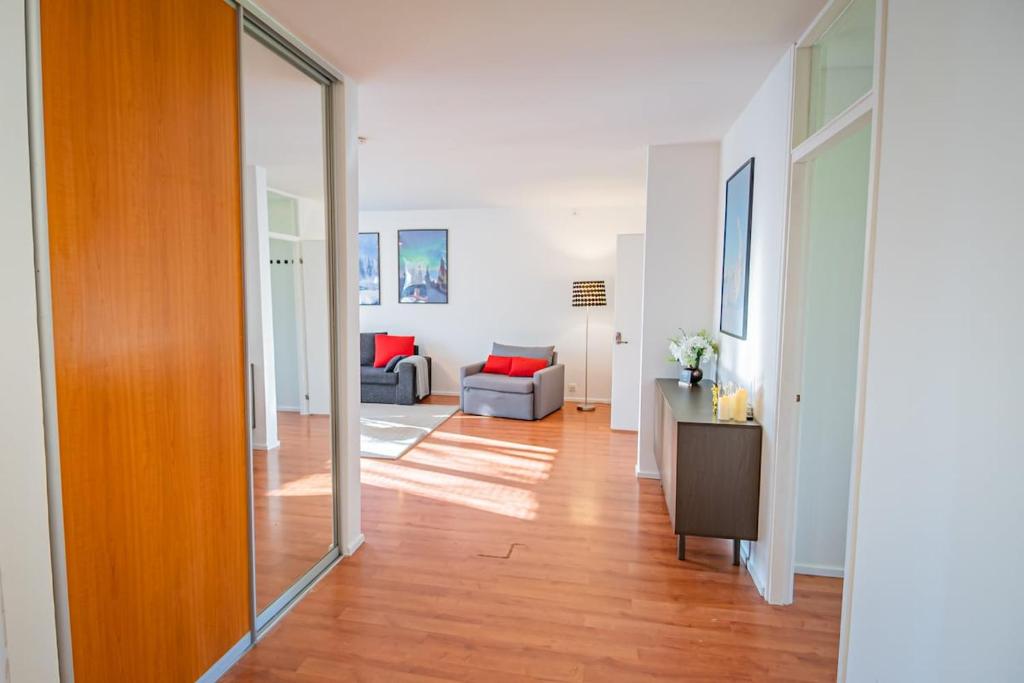
The most underrated feature of a Lapland holiday apartment is a tumble dryer. Children get wet from snow, sweat and sledging, and thick outdoor clothes can take a day or more to dry on a rack. With a dryer, snowsuits go in after dinner and are dry by morning, which is exactly how it works at our apartment.
Why do clothes get so wet in a Lapland winter?
Cold air is dry, but you still end up damp. Snow melts on warm hands and trousers. Children sit, roll and fall in it. Adults sweat under thick layers when walking or snowshoeing. Boots collect snow and then warm up indoors. By the evening, most of the clothes you wore are wet, even if you never felt cold.
If you wear the same layers again the next day while damp, you get cold fast. In that sense, drying is a safety and comfort issue, not just a convenience.
Is a drying rack enough?
For thin items, such as gloves, hats and socks, a rack in a warm room is fine overnight. For padded snowsuits, thick mittens, wool layers and boot liners, it often isn’t. A rack in a heated apartment can leave padded items damp the next morning, and then you face a choice: wear them damp or delay the day. For a family of seven or nine, there is also the question of where you put all the clothes.
That is why we mention it so often when people compare apartments. Many listings say “washing machine” and never mention a dryer. Check, and ask the host if the listing is not clear. Our checklist for choosing a Rovaniemi apartment covers this and other practical questions.
What is the routine that works?
This is what we suggest to our guests:
- Come in, take off boots and shake off snow in the hallway. In Finland, shoes come off at the door.
- Hang or lay out outer layers in the hallway, which has wardrobes.
- After dinner, put snowsuits, mittens, hats and base layers into the dryer, following the label of each item.
- Run the washing machine for anything dirty or sweaty.
- In the morning, everything is dry and warm.
It takes five minutes in the evening and saves a lot of stress in the morning.
What should you not put in a dryer?
Always read the care labels. Some technical outdoor clothing, wool and items with special membranes or glue should not go in a hot dryer, or need a low setting. Rental-hire snowsuits may have their own instructions. If you are not sure, use a lower temperature or air-dry that item on a rack. Boots and boot liners usually do better on a rack or near a warm spot, not in the dryer.
If you borrow or hire overalls from a tour operator, check what they say about washing. Often they are best left alone, and they ask you to bring them back as they are.
How many sets of clothes should you pack?
With a washer and dryer, you can pack less. Two or three sets of base layers, two mid-layers, one outer layer, several pairs of wool socks and spare mittens for each child will cover a week, with laundry halfway through. Without a dryer, you need more spares, because everything dries slowly. This is a quiet advantage of an apartment over a hotel room: you can reduce your luggage.
Spare mittens are the single most useful item. Children lose them, drop them in snow and soak them in minutes. Bring two or three pairs per child.
What does the laundry setup look like at Nine Pines?
There is a washing machine and tumble dryer in the apartment, not in a shared basement, so you can start a load whenever you like, including late in the evening if you are quiet. We provide linen and towels for everyone, so you do not need to wash those. The hallway has wardrobes, and every room has a wardrobe too. You can read about the layout on the apartment page.
Because the building is quiet, with quiet hours between 22:00 and 07:00, use the machines earlier in the evening if you can. A late load is better saved for the morning.
What about a week in a hotel?
Some hotels offer laundry services or guest laundry rooms, and these can work well, so ask. In the hotel, the problem is often space: hanging a family’s wet clothes in a single room means everything is damp, and the room smells of it. The apartment is not magic, but it gives you the machines and the space to use them.
What do the hosts do in winter at home?
We live in Rovaniemi, so the dryer routine is ours too. Children’s winter gear is washed and dried regularly in the season, and everyone has a place for boots and outer clothes at the front door. It is the way a Finnish household copes with six months of cold. We built our apartment’s setup the way we would want it ourselves: a washer and dryer in the apartment, wardrobes in the hallway and every room, and a hallway where snow can be shaken off.
A quick checklist for any apartment
Ask whether a dryer is in the apartment and whether it is for your use only. Check how long a cycle takes. Ask where wet boots can stand. Look at the hallway: is there space to take off layers and hang them? And check whether detergent is provided or whether you buy your own. These five questions take two minutes and tell you most of what you need to know.
FAQ: Drying clothes on a Lapland holiday
Do we need to bring detergent?
Bring or buy a small amount. The two grocery stores nearby, K-Market and Sale, sell it.
Can we run the dryer at night?
We ask guests to follow the quiet hours of 22:00–07:00, so start the dryer before then.
Is there a place to hang boots?
Yes, the hallway has wardrobes and space for boots near the door.
How long do snowsuits take to dry?
It depends on the item and the machine, so follow the care label. Our experience is that a snowsuit put in after dinner is dry by morning.
Stay at Nine Pines — our three-bedroom family apartment in Rovaniemi. 103 m², sleeps 9, kitchen for nine, washer and dryer, free parking, 15 minutes from Santa Claus Village and the airport.
See live dates and prices on Airbnb or Booking.com, or message us on WhatsApp — we usually answer within the hour.